
Running is one of the simplest and most effective forms of exercise. It boosts cardiovascular health, burns calories, and clears the mind. Yet, many runners find themselves sidelined by one frustrating problem: lower back pain when running.
If you’ve ever finished a run only to feel a nagging ache in your lower back, you’re not alone. Back pain in runners is more common than most realize, and the surprising culprit often starts at the feet. This is where supportive footwear and high-quality insoles come in. Whether you’re dealing with flat feet, knee pain, or poor shock absorption, the right insoles could be the solution that keeps you running pain-free.
Understanding Lower Back Pain in Runners
Lower back pain isn’t only a “desk job” problem. For runners, it can stem from biomechanical imbalances, poor posture, weak core muscles, or repetitive impact on hard surfaces. Every step you take transfers force from the ground upward through your legs, hips, and spine. When your feet aren’t supported properly, this force isn’t evenly distributed, leading to strain in the lower back.
The Anatomy behind Running Pain
The lumbar spine (lower back) is made up of vertebrae, discs, and muscles designed to support movement and absorb shock. However, when misalignment occurs, say, due to flat feet, unsupportive shoes, or poor form, this system becomes overloaded. Instead of evenly distributing stress, specific muscles and joints bear the brunt, leading to discomfort or injury.
Main Causes of Lower Back Pain in Runners
1. Poor Running Form
Overstriding, leaning too far forward, or allowing the hips to drop mid-run can strain the spine.
2. Weak Core Muscles
The core stabilizes the spine during movement. A weak midsection transfers excess load to the lower back.
3. Overtraining and Fatigue
Skipping rest days can increase strain on muscles and joints, often leading to pain.
4. Unsupportive Footwear
Shoes without proper cushioning or support can worsen misalignment.
5. Flat Feet vs. Normal Feet
Flat feet collapse inward, creating poor alignment and excessive stress on the back. This is why runners often look for the best insoles for flat feet to correct their stride.
Flat Feet and Their Impact on the Spine
Flat feet are one of the most significant biomechanical issues in running. Without proper arches, feet overpronate (roll inward), which pulls the knees and hips out of alignment. Over time, this chain reaction stresses the lower back. That’s why investing in supportive insoles isn’t just about comfort; it’s about protecting the entire kinetic chain of your body.
How Insoles Help Reduce Back Pain
Shock Absorption
Cushioning insoles like the AIRfeet® SPORT O2 – (FSA/HSA) absorb impact from each step, protecting joints and the spine.
Arch Support for Flat Feet
The best insoles for flat feet provide firm arch support, preventing pronation and restoring balance in posture.
Gait Correction
Insoles guide your feet into proper positioning, helping distribute weight evenly across your body.
Reducing Knee Pain
When your feet are adequately supported, your knees follow proper alignment, lowering the need for insoles for knee pain later.
Best Insoles for Different Running Problems
- For Flat Feet: Insoles with structured arches. The RELIEF O2 Insoles are excellent for active arch support and improving balance during movement.
- For Lower Back Pain When Running: Active Motion insoles like AIRfeet® SPORT O2 – (FSA/HSA) provide cushioning, easing spinal strain.
- For Knee Pain: Runners needing insoles for knee pain should look for options with shock absorption and proper alignment features.
What Golf Can Teach Runners about Balance
At first glance, running and golf may seem worlds apart; one is about endurance, the other about precision. But both depend heavily on proper foot alignment and balanced weight transfer.
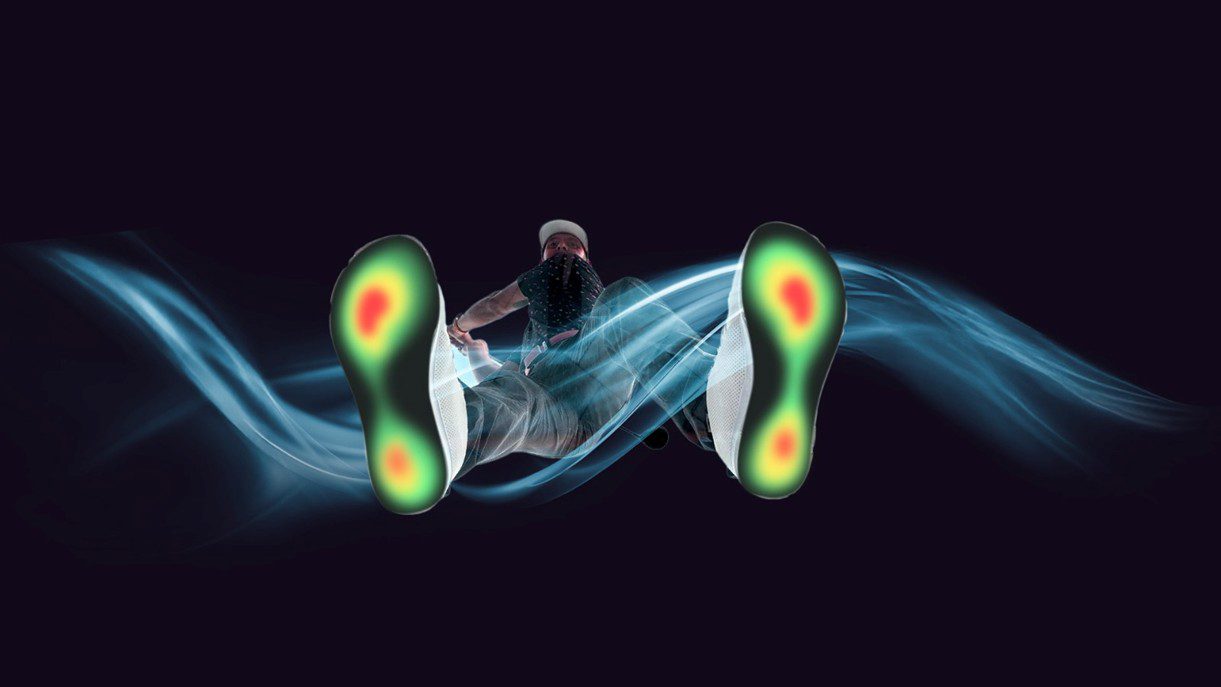
The new Golf Insoles Package showcase this connection. Using advanced swing pressure technology, they highlight how distributing weight evenly through the feet improves balance and reduces strain.
The pressure swing image demonstrates how golfers benefit from stable arches and corrected pressure points. For runners, the principle is the same: when each step lands with balanced support, stress on the knees and spine decreases, leading to less back pain and improved performance.
Expert Opinions and Research
Sports physiotherapists emphasize the importance of biomechanics in preventing injuries. Studies show that runners using supportive insoles experience fewer back issues than those running without. Experts recommend combining insoles with strength training for the best long-term results.
Additional Remedies for Lower Back Pain
While insoles play a significant role, here are other ways to keep back pain at bay:
- Core Strengthening Exercises: Planks, bridges, and dead bugs help stabilize the spine.
- Stretching and Mobility: Focus on hamstrings, hip flexors, and glutes.
- Yoga and Pilates: Improve posture and flexibility.
- Rest and Recovery: Overtraining without recovery is a recipe for pain.
When to Seek Medical Advice
Not all pain is the same. If your lower back pain radiates to your legs, lingers beyond two weeks, or interferes with daily activities, it’s time to consult a doctor. Persistent pain may indicate more serious issues like disc herniation or nerve compression.
Preventive Strategies for Runners
- Invest in high-quality running shoes and supportive insoles.
- Alternating running with swimming or cycling to reduce repetitive stress.
- Maintain good posture during runs and avoid hunching forward.
- Replace insoles every 6–12 months for maximum support.
Real Runners, Real Relief
Many runners report noticeable improvements after switching to supportive insoles. For example, one marathon runner with flat feet shared that the SPORT O2 Insoles not only corrected his stride but also reduced both knee and back pain. Another reported that using the AIRfeet® CLASSIC O2 allowed her to run longer distances without discomfort.
Golfers using specialized insoles also report smoother swings, less fatigue, and reduced strain on the lower back. The same stability features that improve a golf swing are the ones that help runners maintain proper alignment stride after stride.
Final Thoughts
If you’re struggling with lower back pain when running, don’t ignore your feet. Proper insoles are more than just comfort; they’re a safeguard for your entire body. From the best insoles for flat feet to specialized insoles for knee pain, choosing the right option can significantly reduce stress and improve your running experience.
The CLASSIC O2 Insoles and AIRfeet® SPORT O2 – (FSA/HSA) are two excellent solutions worth considering if you want to prevent injuries, run comfortably, and enjoy the sport without being held back by pain.
FAQs
What are the best insoles for flat feet?
Structured insoles like SwingSync GOLF Insoles provide active arch support and improve balance when on a golf course.
Can insoles help with lower back pain when running?
Yes, insoles like the AIRfeet® OUTDOOR O2 reduce impact, protecting the spine from stress.
Which insoles are best for knee pain?
Shock-absorbing and supportive insoles distribute impact evenly, reducing knee strain.
Are custom insoles better than store-bought ones?
Custom insoles are tailored to your feet, but premium ready-to-wear options like AIRfeet® products are effective and affordable.
How often should insoles be replaced?
Most last 6–12 months, depending on running mileage and intensity.